

A higher standard of cleaning care

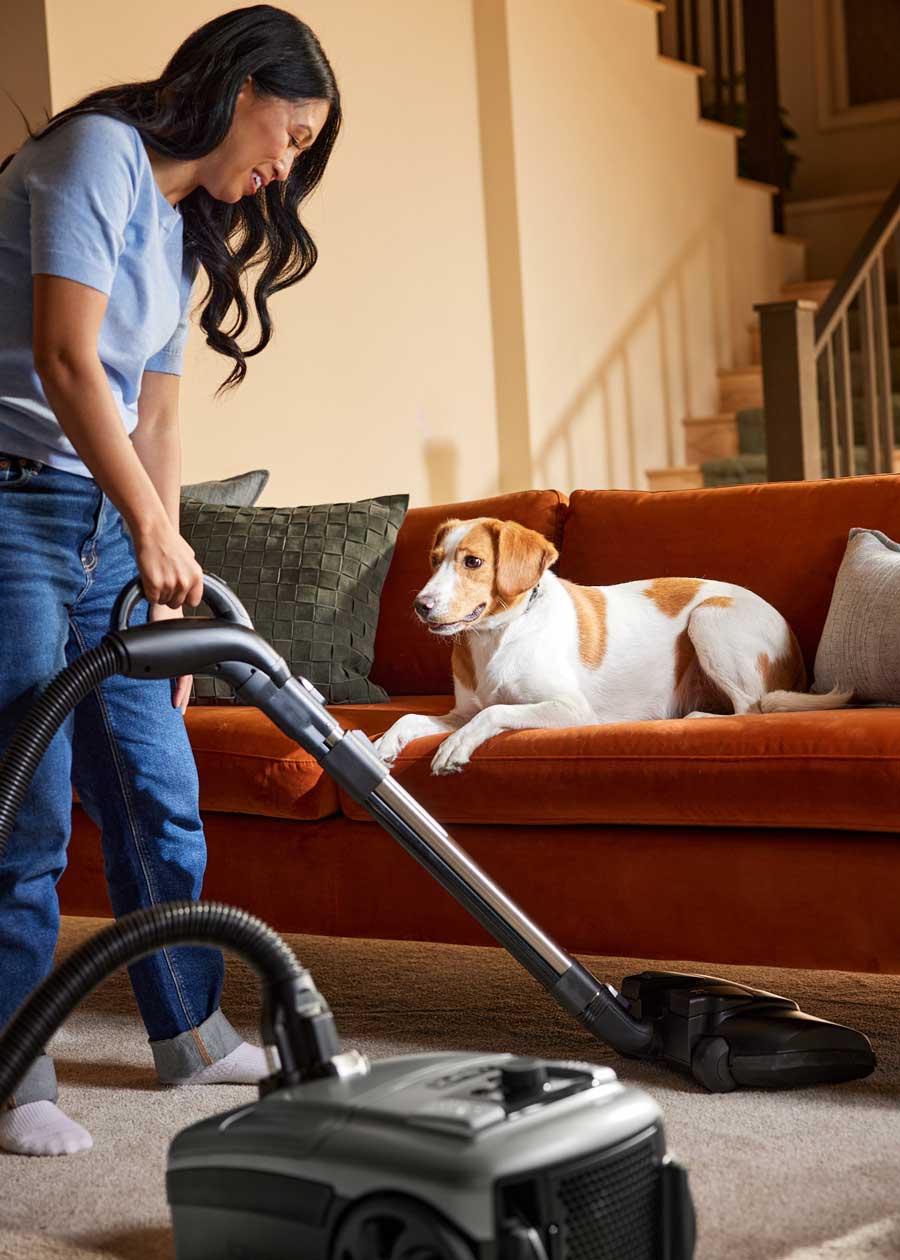
How is Cleaning Efficiency Measured?
ASTM International is a global organization that creates, tests, and publishes technical standards for 100's of industry sectors, including consumer products and vacuum cleaners. These standards help manufacturers objectively measure and compare machine efficiency, safety, and cleaning performance.
Testing Methods
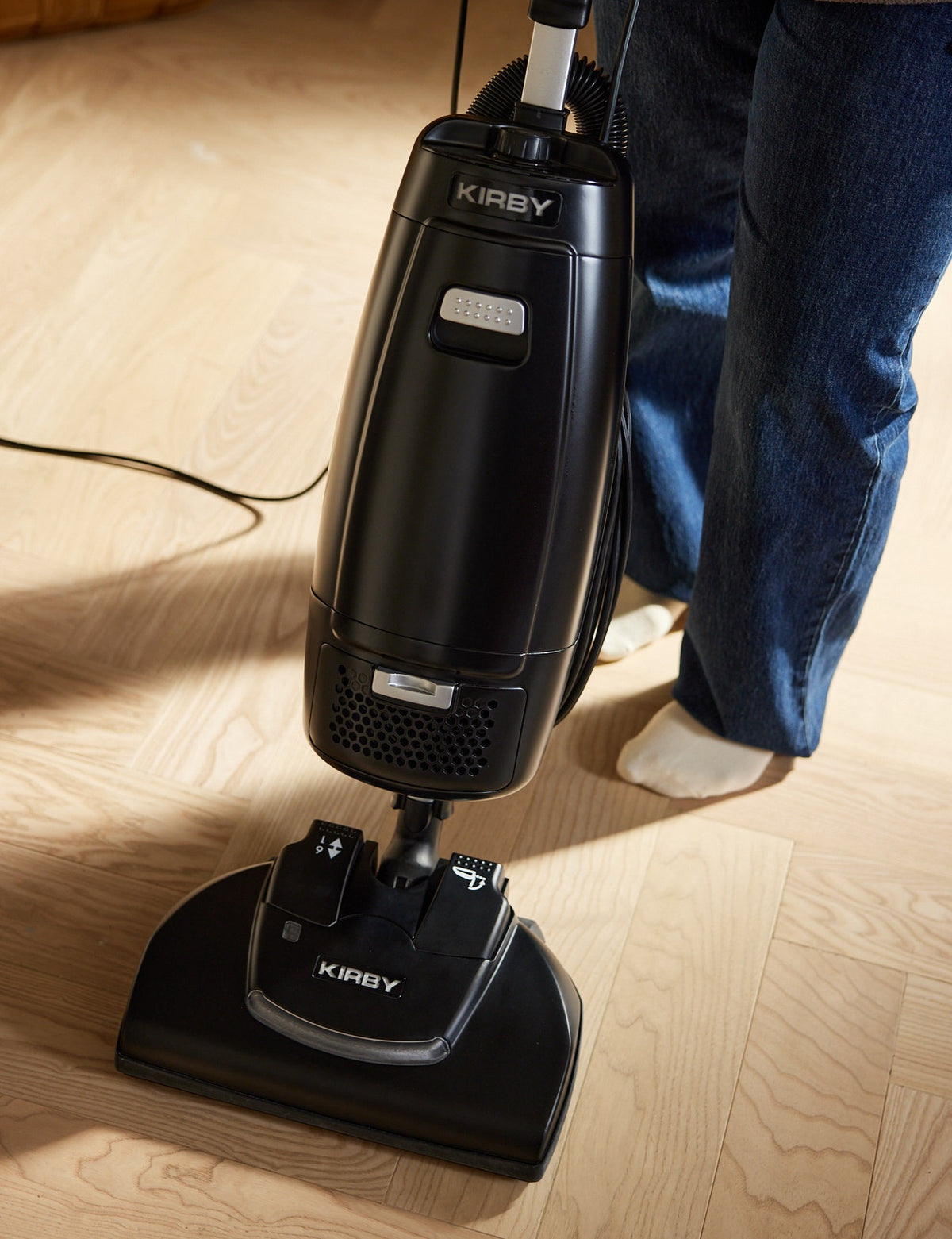
ASTM F608 was created in 1972 and remains one of the organization’s most important standards for establishing how well a given vacuum cleaner can remove embedded dirt from carpeting.
- Kirby V530: Tested July 2026 per ASTM F608. Geometric mean of clean-air upright vacuums, using HEPA filtration, retailing above $599.
- Kirby C530: Tested July 2026 per ASTM F608. Geometric mean of clean-air canister vacuums, using HEPA filtration & turbo nozzle, retailing above $599.
- Kirby C550: Tested July 2026 per ASTM F608-13. Geometric mean of clean-air upright vacuums, using HEPA filtration & power nozzle, retailing above $899
Exceptional Cleaning Performance
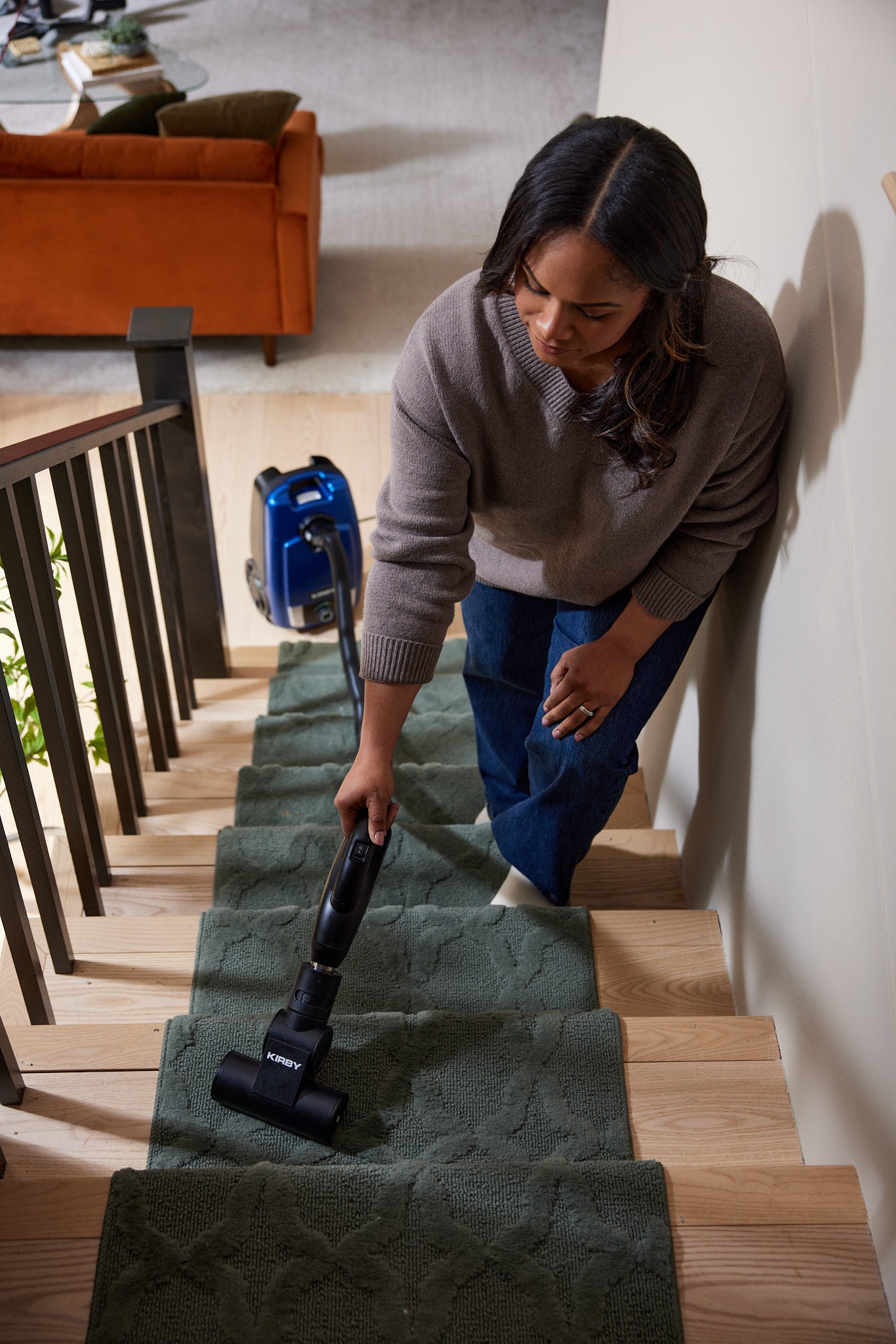
Across the board, the Signature Series has been ranked as a top performer in the industry, not by one particular model or in one ASTM test, but across the full Signature Series lineup.
That performance comes down to a few core mechanics working together: agitation, suction, and airflow.
Understanding how each one contributes to cleaning power, and how Kirby engineers around them, explains why the Signature Series performs the way it does.
Agitation: Bring Dirt To The Surface
There are three ways vacuums agitate carpet fibers to loosen embedded debris.
Ultrasonic Vibration Bars are simple and cheap, but stationary, so they mostly disturb the surface layer rather than digging deep.
Air-Driven Turbines use airflow to spin brush rolls. It functions without a motor, making it a lighter, simple design useful for gentle cleaning jobs.
Motor-Driven Brush Rolls have a dedicated motor delivering consistent, high-RPM agitation no matter what.
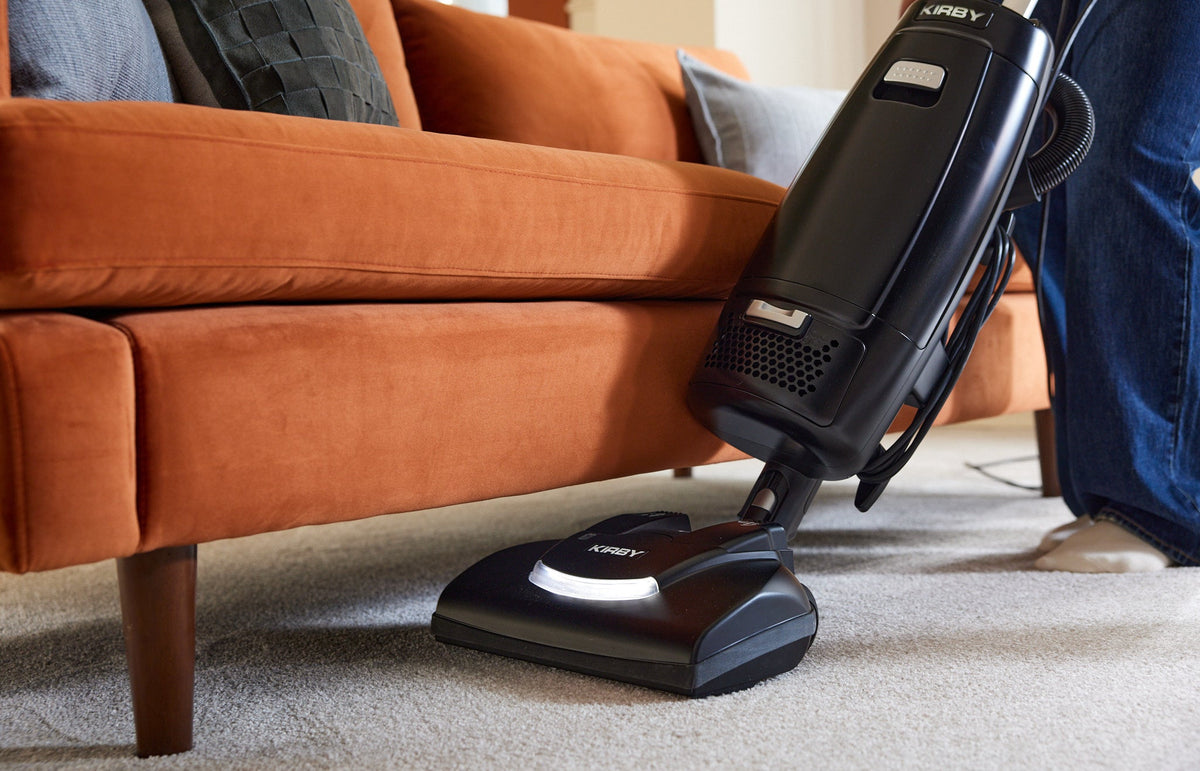
The Kirby Power Nozzle uses motor-driven brush rolls, the strongest of the three, and the Kirby Turbo Nozzle uses an air-driven turbine for gentle jobs like bare floors and rugs.
Either way, the Kirby Signature Series features the best in agitation technology, never the lesser ultrasonic method.
Suction: Strong and Clean Airflow
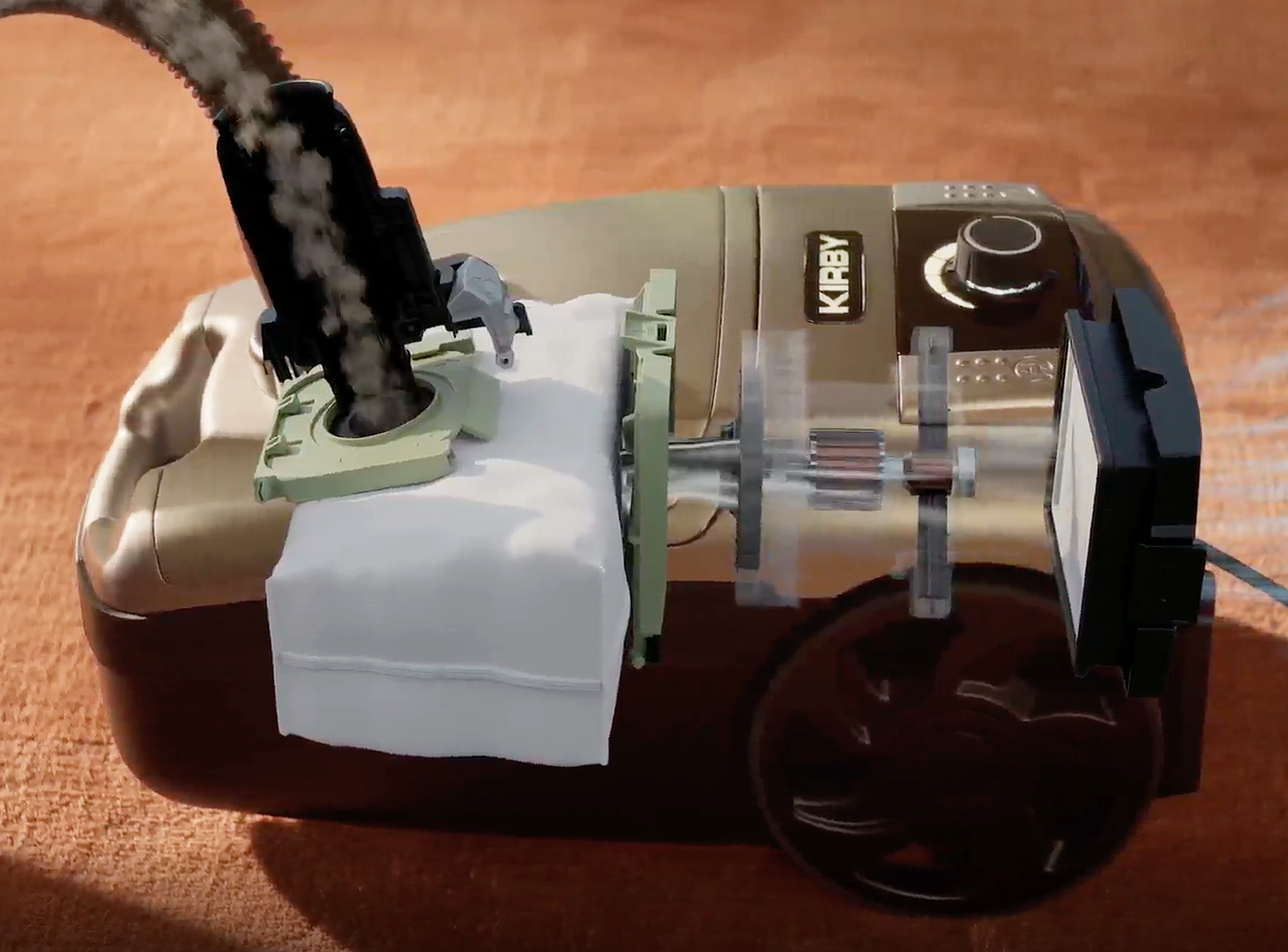
Suction systems generally fall into two camps:
Direct Air systems, where air passes directly through the motor and fan before reaching any filtration.
Filtered Air systems, where the airflow is filtered before it reaches the motor, so the motor stays cleaner and the air sent back into the room is cleaner too.
Every model in the Signature Series is a Filtered Air design, built around a PureAir® dual-HEPA filtration system. That's important for two reasons:
Protecting the motor from dust and debris helps it maintain strong, consistent performance for years rather than degrade as particulate works its way into the mechanism.
And just as important, PureAir® dual-HEPA filtration means the air coming out of the machine is cleaner than the air that went in, capturing fine dust and allergens that most single-stage systems let straight through, so the room is actually cleaner when you're done, not just the carpet.
Airflow: Why Bagged Beats Bagless
There are two competing methods for how air moves through a vacuum:
Cyclonic Airflow (bagless) spins incoming air into a vortex to pull dirt out by centrifugal force, collecting it in a clear canister.
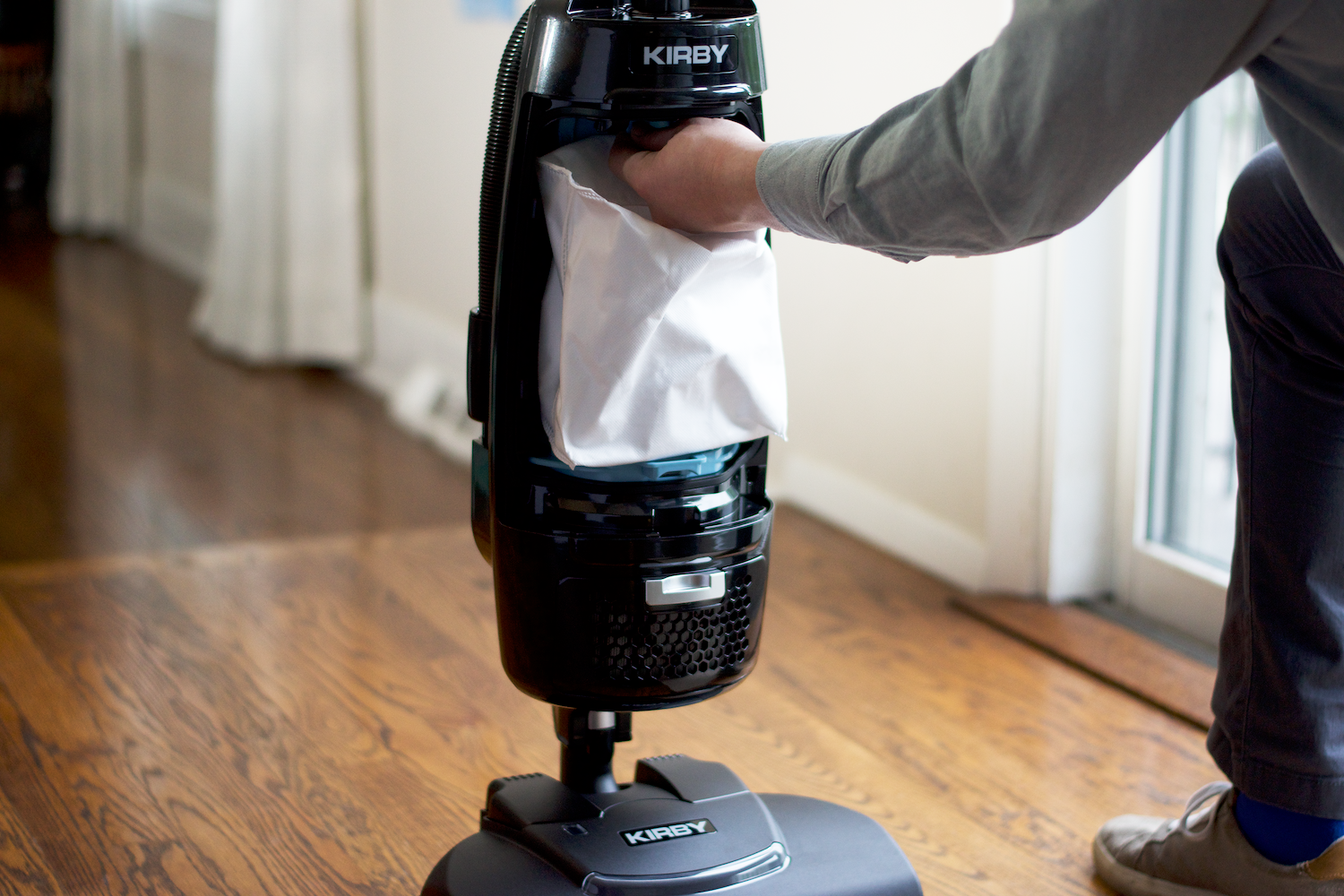
Straight Line Airflow (bagged) pulls air in a direct path, into a sealed bag, with the bag itself acting as an additional filtration layer. The Signature Series uses Straight Line Airflow for two reasons.
- Power: cyclonic systems drain suction strength due to a constant need to sustain a vortex, while straight line airflow spends that energy pulling debris out of the floor instead.
- Cleanliness: emptying a bagless canister kicks trapped dust back into the air, while a sealed bag is simply thrown away, keeping debris contained from intake to disposal.
A Deep Clean You Can Trust
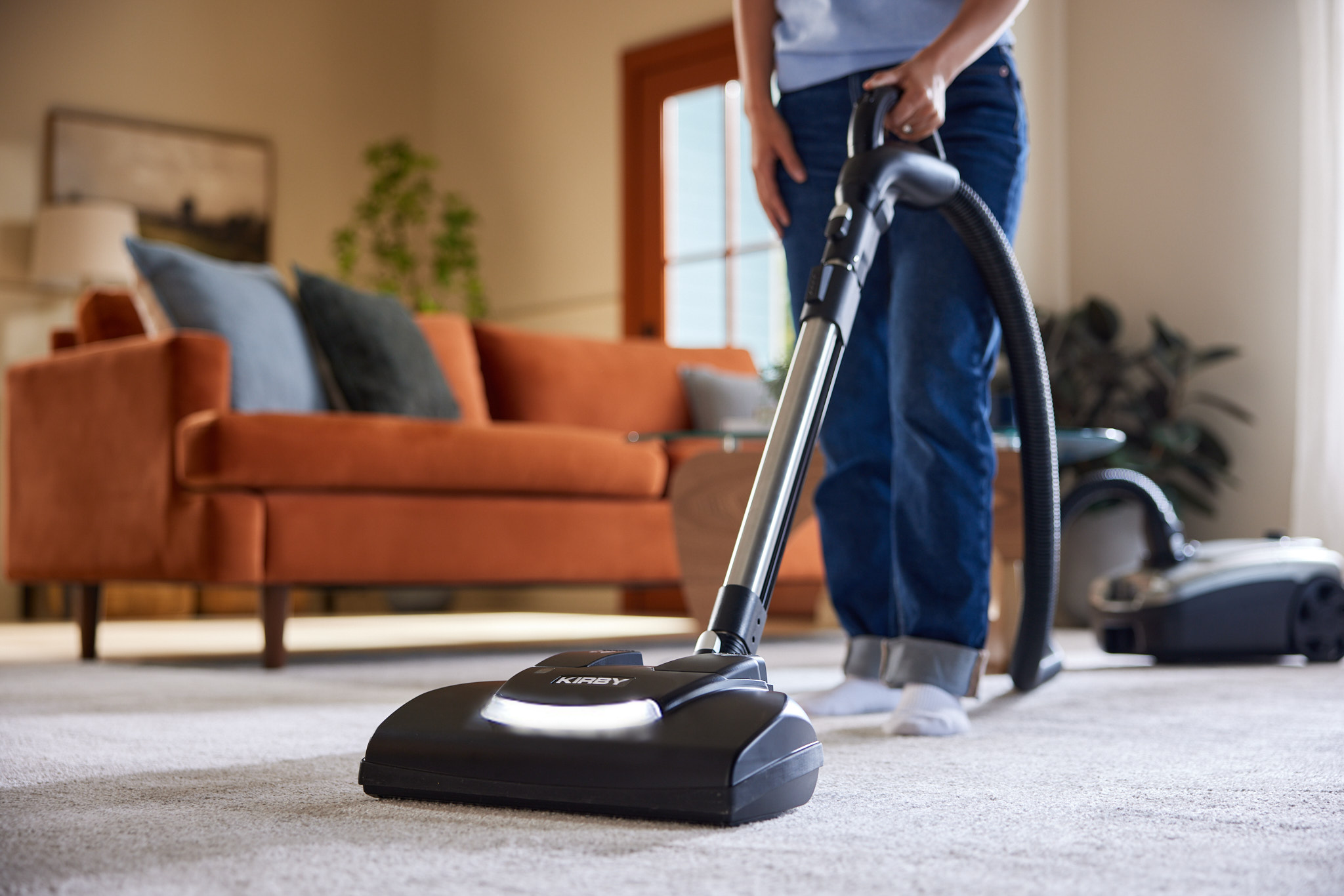
What makes the Signature Series stand out isn't just one single feature. It's that we took best-in-class fundamentals of vacuum engineering and implemented them to ensure the Signature Series is category leading in cleaning efficiency.
- Most effective agitation methods, with motor and air driven turbine nozzles.
- Clean air suction technology, with PureAir® dual-HEPA filtration across all three models.
- Bagged, straight line airflow, delivering more usable power and containing debris until final disposal.
Any one of these features would improve a vacuum. Combining all three is what makes a Signature Series vacuum clean not just the carpet, but the room around it. Welcome to a higher standard of clean and care.